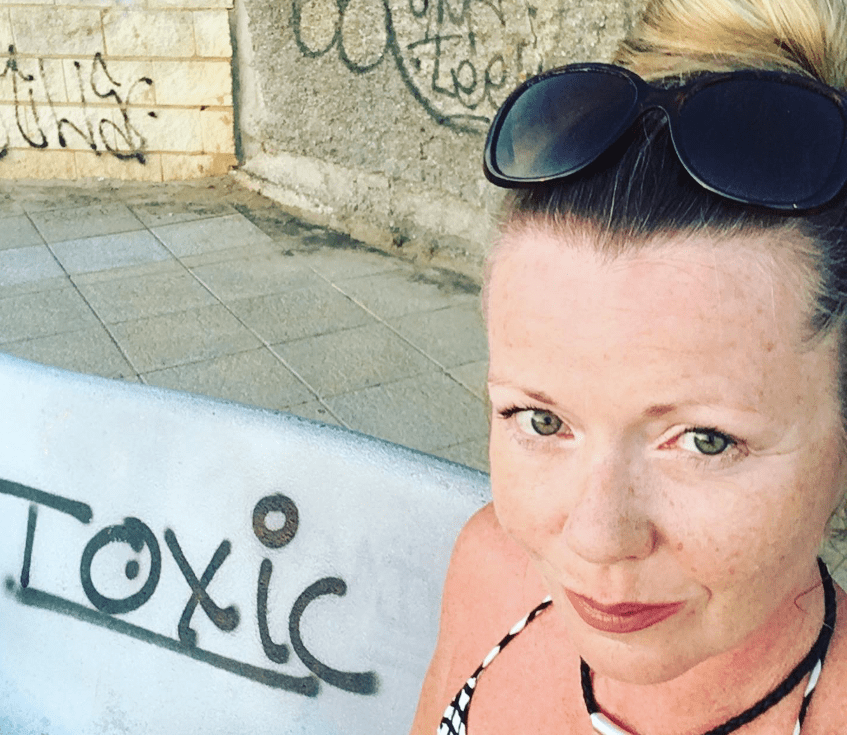
Cannabis, stress and IBS may seem a strange combination at first glance. But the more thought I give this trio, the more I realise how much they shape my decisions. So much so, it’s hard to know which comes first, the cannabis, the stress or the IBS? I only know I need one to live with the other, or because I live with one, I need the other.
I use cannabis to manage the symptoms of irritable bowel syndrome (IBS), one of which happens to be stress, as well as bloating, constipation and depression. I’ve had IBS since my twenties but my stress levels have changed dramatically in recent years thanks to fluctuating hormones. I said no to HRT, and honestly, I’m not sure how I would have survived these years without cannabis.
More recently, my dog, aka my best friend, passed, and stress consumed me. I stopped eating, stopped sleeping, stopped smiling. Then I made some homemade cannabis cookies, ate three, slept for 11 hours, and woke up feeling like a new person. My appetite returned. I painted the house. I’m back at my desk working. The change feels magical. What’s going on?
What is Cannabis?
Cannabis is different things to different people. Which means everyone has their reasons for using, and their own way of using. For me, cannabis has always been a creative tool, the conduit that allows me to sit still for long enough to write. Otherwise, I’m bouncing off the walls, cleaning, baking, running errands, writing emails, making phonecalls, making plans, you know, doing “stuff.”
Stoned, I could care less about that stuff. I smoke a joint, the world melts away, I write. I’ve used cannabis as a creative tool for decades but it was only in recent years that I learned about its therapeutic benefits for my specific disposition, which includes a mix of OCD and IBS. These conditions are connected in some way to the nervous system, and once you understand that, it makes total sense that I would find cannabis. In 2018 my use of cannabis changed when I started cooking with cannabis.

I began by making homemade bread, brownies and cookies, and ate one whenever I had a flare-up. At the time, I was experimenting with Keto and restricting carbs, so the cookies, made with butter or coconut oil, became a source of Keto food for me. For a period of six months, I ate them daily. With time, I noticed that my flare-ups stopped completely. But I was about to pay a huge price for cutting carbs, one that led to a nervous breakdown in 2019.
What is IBS?
IBS is basically a bunch of random symptoms that affect digestion and mood, causing changes in bowel movements, either diarrhoea or constipation, as well as all sorts of weird aches and pains, mood swings and fatigue. At 25, I was diagnosed clinically depressed. I spent most of my 30s in bed, asleep. Almost a decade ago, I quit booze, joined a gym and started lifting weights. I instantly fell in love with weightlifting because exercise calmed me, alleviating my IBS symptoms. Within a year, I was a gym junkie.
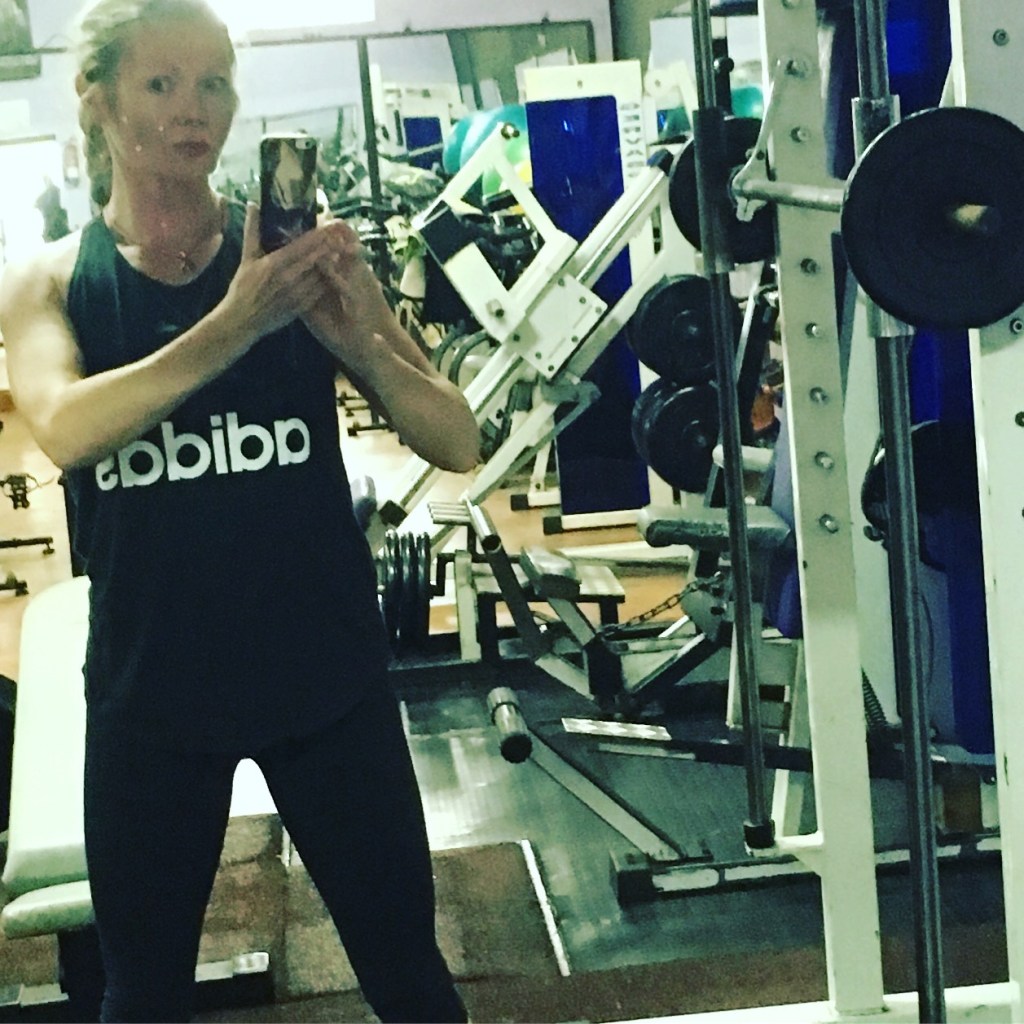
Back then I had no idea how to eat to fuel my body and was frustrated by most of the ‘fitness’ diets, as they included lots of food I couldn’t eat. Over the course of four to five years, I experimented with a variety of low carb diets, Atkin’s, Paleo, Keto, and also tried, Intermittent Fasting (IF). By 2018, I was toned and lean. But what no one tells you about a fitness lifestyle is how incredibly unhealthy it is unless you do a bunch of things to support your workouts i.e. a recovery program. I learned this stuff the hard way.
In short, my years of food restricting caught up with me. All it took was one major upset to knock me sideways, and it happened in 2019. The effects were brutal. My reproductive and digestive systems shut down. I lost muscle, lost bone mass. I couldn’t sleep or sit still. Couldn’t concentrate or work. Couldn’t leave the house. While my nerves sizzled, I trembled with cold one minute and melted with heat the next. This is when I made the decision to study nutrition to figure out what was happening to my body.
What is Stress?
Stress levels are determined by the body’s hormones, or rather, the effect of stress on the body comes down to a few key hormones. Out of balance, these hormones can wreak havoc. Long-term stress can cause the body to overproduce hormones such as cortisol and norepinephrine, which causes further damage.
STRESS & HORMONES
Hormones are regulated by three glands: the hypothalamus, pituitary and adrenal glands. This pathway is known as the HPA-axis: the hypothalamic-pituitary-adrenal-axis, and it keeps hormone production in balance, as well as regulating mood, energy levels, metabolism, sex drive, and more. It’s very sensitive to environment, food intake and exercise levels.
STRESS RESPONSE
When a stressful event occurs, the amygdala sends a signal to the hypothalamus. The hypothalamus is the command centre of the autonomic nervous system (ANS), controlling a range of involuntary bodily functions including breathing, blood pressure, digestion and sex drive. The ANS is made up of the sympathetic nervous system (SNS), which activates the ‘flight or fight’ response, and the parasympathetic nervous system (PNS), which prompts a ‘rest and digest’ state.
The HPA controls hormonal signalling in the stress response, acting as a ‘pump’ and ‘brake’ system. In a stressful situation, the hypothalamus activates the SNS, pumping adrenaline into the bloodstream, affecting breathing, heart rate and blood pressure. If stress continues, another hormone travels to the adrenals to prompt the release of cortisol.
When the stress passes, the HPA acts as a ‘brake,’ and activates the PNS to return the body to a state of calm. Persistent elevated levels of epinephrine and cortisol can do much damage, leading to hormonal disruption, weight gain, fatigue, bone and muscle wasting and heart disease.
STRESS & THE MICROBIOME
The microbiome is a fascinating organism within your body that does a whole host of jobs. One of those jobs is the transfer of information from your environment to your nervous system. The gut-brain axis – made up of the vagus nerve, neuroendocrine, immune and metabolic pathways – is a super highway of information, with the gut sending 10 times the number of signals to the brain to let your body know how it feels about its environment.
The gut microbiota is so attuned to the body’s environment, studies show that repeated social stresses not only alter the balance of microbes, but also microbial metabolites, cytokines, chemokines, and monoamine transmitters, all of which affect communication with the nervous system. Stress takes many forms and can include anything from the mild stress of an unpredictable situation to more extreme events like grief or conflict.
This 2020 study found that stress disrupted gut microbiota, increasing gut permeability, a condition known as leaky gut where bad bacteria leak outside the walls of the stomach, as well as changing protein levels in the amygdala, hippocampus and gut lining. The conclusion was that stress deeply affects the balance of gut microbes, and has knock-on effects on hormone balance, inflammation and immunity.
STRESS & LOW-CARB DIET
Just as stress affects everyone different, no one diet is perfect for everyone. Nature is vast and complex, and we still don’t understand so many things about food and how it feeds the body. What we do know is that food is more than chemical fuel – it’s information with specific messages and meaning. Carbohydrates are a source of energy for the body but they do way more, participating in blood glucose balance as well as insulin, cholesterol and fat metabolism, which in turn regulates gut and heart health.
A low-carb diet can trigger a stress response because the body can’t get energy from fat and protein the way it gets glucose from carbs, and as a result, isn’t getting enough energy. In response to this stress, cortisol is released, triggering a cascade of negative hormonal responses. The job of cortisol is to increase the level of glucose in the blood, meaning one way to counteract a high level of cortisol and lower stress is to eat some carbs. Think about it, after a stressful day at work, do you want a salad or a doughnut? This craving is the body’s way of telling you it needs to calm down.
It’s been found that women on low carb diets can experience menstrual disruptions, meaning periods can become irregular or stop completely. When the cycle is disrupted for three months or more, a condition known as amenorrhea, other hormones are affected, affecting the digestive and nervous systems. Newer research shows the link between low-carb diets and reduced levels of kisspeptin, a neuropeptide responsible for reproductive health as well as appetite regulation and body composition.
STRESS & CANNABIS USE
In a 2020 study from the University of New Mexico, researchers found that regular use of cannabis reduced stress in more than 95% of sessions. A 2021 study by New Frontier Data confirmed that the number one reason for using cannabis across all demographics is “to relax.” This is not news. We all know the reason most people enjoy a puff is to “chill out.” Like all things found in nature, the relationship between cannabis and stress is more complex.
Another 2021 study examined the relationship between acute and chronic cannabis use and its effect on stress response. It’s now known that the stress of a childhood trauma plays a role in the likelihood of developing addiction later in life. On top, in the same way that alcohol and nicotine spark a stress response, so too does cannabis. In response to this stress, the HPA activates the sympathetic nervous system and the release of cortisol.
It’s been shown that smoking a joint spikes cortisol levels for up to an hour after consumption. And that regular consumption of cannabis can dull HPA activity, affecting communication to the nervous system, leading to higher base levels of cortisol, and poor adaptation to stress response. This makes sense, as one job of the endocannabinoid system (ECS) is to communicate with and balance the nervous system.
CANNABIS & FEMALE USERS
Studies show some interesting sex-differences between male and female users. Whereas male users are more likely to use cannabis ‘currently,’ female users are more likely to develop dependence. One possible explanation for this is the different way male and female bodies metabolise THC, which results in an increased potency in female bodies. On top, female users are more likely to develop depression, have cravings for cannabis and experience more severe withdrawal symptoms.
That’s not all. Further studies show cannabinoids influence that hypothalamic-pituitary-gonad (HPG) axis, and that the density of endocannabinoids changes across the menstrual cycle. Plus, ovarian hormones impact drug-taking behaviours with research suggesting estradiol reinforces the effects of cannabis, and that both hormones and mood drive cannabis use in women. It should be noted that all studies are preliminary and warrant further investigation.
Can Cannabis Cure IBS?
When exploring the causes of IBS, most doctors look to the digestive system. And while there’s no question certain foods trigger IBS flare-ups, there’s also no question that this is a lifestyle condition. Which means making changes to daily habits can improve quality of life and wellbeing. These changes have an indirect effect on the digestive system by directly impacting the nervous system. What saved me was a move to the countryside in 2020, to an apartment with a picture-perfect view of sunset.

There, I learned or remembered what peace and quiet is and how my body feels when it’s calm. This became my touchstone, and I began the process of organizing my life to facilitate this outcome. But that wasn’t the only thing I did. I changed my diet again, eating a wider variety of whole foods, including locally grown meat and veg. I changed my workout routines, switching to kettlebells, which meant learning a whole new system, the challenge invigorating me.
Studies show that exercise influences gut microbiota in ways that benefit gut health. I meditated. Throughout, I used cannabis. It’s not possible to pinpoint specific effects of cannabis in this regard but what I can confirm is the qualitative differences. Cannabis gave me the space to reflect on my choices and habits, allowing new perspectives and compassion to flow in.
Cannabis as Self-Care
That’s one of the reasons I’m a staunch defender of everyone’s right to use cannabis as a balm – you never know what someone is battling. That said it’s not enough to use cannabis and call it a self-care program. There’s other work to do, and it starts with the basics. Whole food. Exercise. Mental challenges. Progress that feels like growth. Quiet time. Connection with nature. Self-love.
These terms may sound like corny self-help hacks. But for the nervous system, they are the source of life-force. Once I learned the importance of slowing down and taking time to relax and connect, it changed my relationship to my self-care. It’s not enough to workout with militant discipline. The recovery program supporting those workouts is just as important if not more important. Cannabis helps my recovery.
These days, I listen to my gut. I see my IBS as a faithful guide, alerting me to the need for change. I see it as a friend that serves me, keeping me safe from things that can harm me. And when I get stressed, I have a plan of action: I take time to read and relax. I switch up my workouts to include lots of dancing. I bake. For me, what cannabis, stress and IBS have in common is that they taught me how to take care of myself.
 The Healthy Hashhead